
A mid-market industrial components manufacturer came to Nova Capital Consulting after a single port closure and one supplier’s plant fire nearly stopped production for six weeks. The company had grown for a decade on lean, single-source purchasing, efficient in calm markets, brittle in volatile ones. With tariff volatility, freight disruptions, and geopolitical risk now a permanent feature of global trade, leadership needed a resilience strategy that protected margin without reverting to costly over-inventory.
Nova Capital Consulting was engaged to map exposure across the full supplier network, rebuild sourcing and inventory strategy around risk-adjusted decision-making, and give operations leaders real-time visibility into where the next disruption was most likely to hit.
The client’s procurement function had optimized relentlessly for unit cost over the prior decade, consolidating volume with fewer suppliers to capture scale pricing. It worked until it didn’t: 41 percent of the company’s highest-revenue SKUs traced back to a single supplier with no qualified backup, and lead times on several critical components ran 90 to 120 days from regions increasingly subject to tariff shifts and port congestion.
Leadership had no consolidated view of where risk concentrated. Sourcing, planning, and finance each held partial data, but no one could answer a basic question: if this supplier went down tomorrow, what would it cost us, and for how long?

This was not a hypothetical risk. Recent industry research shows the scale of what companies are already absorbing: direct procurement disruptions are now costing organizations an average of $16 million annually, according to Coupa’s State of Direct Procurement research, and McKinsey’s most recent supply chain risk survey found that tariff volatility has reshuffled sourcing priorities for the large majority of supply chain leaders, pushing regionalization and dual-sourcing back to the top of the agenda.
The client’s exposure sat squarely inside that trend: concentrated supplier risk, thin visibility, and an inventory strategy that assumed stable lead times in an environment where none could be guaranteed.
We weren't dealing with a bad supplier. We were dealing with a network that had no redundancy anywhere it mattered. One disruption event and the whole production schedule was exposed.
Supply Chain Resilience Practice

Nova Capital Consulting began with a full supplier-risk audit rather than jumping to a sourcing solution. Every SKU was scored on revenue contribution, supplier concentration, geographic and geopolitical exposure, and historical lead-time variability, producing a heat map that ranked the client’s true points of failure instead of its perceived ones.
The audit revealed that the biggest threat wasn’t the client’s highest-volume components, which already had backup capacity, but a set of mid-tier SKUs feeding three flagship product lines. These parts were cheap individually but catastrophic if delayed, since they had no substitute and no qualified second source anywhere in the supplier base.
Key improvements included:
By the end of the diagnostic phase, the client had something it had never had: a single, quantified view of where a disruption would actually hurt, ranked by dollars and days rather than gut instinct.
That risk map became the foundation for every sourcing, inventory, and contingency decision that followed, replacing reactive firefighting with a plan built on evidence.
With exposure quantified, Nova Capital Consulting built a resilience program around three levers: dual-sourcing the highest-risk SKUs, right-sizing buffer inventory using risk-weighted models instead of blanket safety stock, and standing up a supplier monitoring system that flagged early warning signals before they became production stoppages.

Rather than dual-sourcing everything, which would have eroded the scale pricing the client had spent years earning, the team applied dual-sourcing selectively to the 118 flagged SKUs. This mirrors what leading procurement organizations are now doing at scale: Gartner-tracked supplier risk research points to targeted diversification and nearshoring for critical inputs rather than wholesale network overhauls, since blanket dual-sourcing is rarely cost-justified across an entire catalog.
Instead of raising safety stock uniformly, Nova Capital Consulting built a tiered buffer model that added inventory in proportion to each SKU’s disruption score and lead-time variability. High-risk, low-substitutability parts received meaningfully more buffer; low-risk, readily available parts stayed lean, keeping working capital deployed efficiently rather than locked in warehouse space.
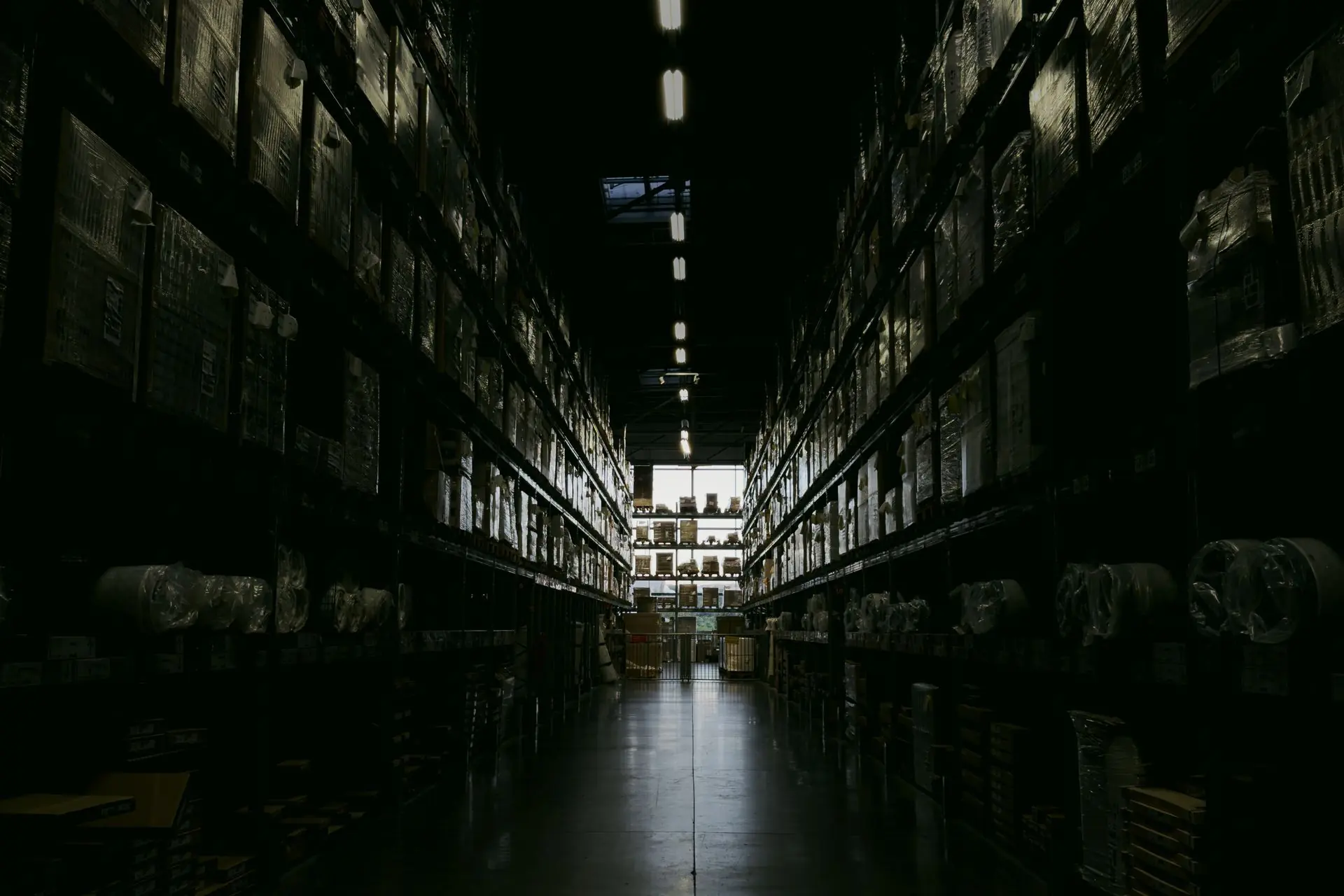
The team implemented a supplier monitoring layer tracking financial health signals, geopolitical exposure by region, and shipment-level lead-time drift for the highest-risk supplier tier, giving planning teams a two-to-four-week early warning window instead of finding out about a disruption when a shipment failed to arrive.
The goal was never zero risk. It was knowing exactly where the risk lived, sizing our response to match it, and making sure a single point of failure could never again shut down a full production line.
Supply Chain Resilience Practice
The final phase built the risk-scoring and monitoring approach into the client’s existing S&OP cadence, so resilience became a standing input to quarterly planning rather than a one-time project that would decay once the engagement ended.
Within two quarters of full rollout, the client had converted a fragile, cost-optimized network into one that could absorb shocks without sacrificing the margin discipline it had built over a decade.
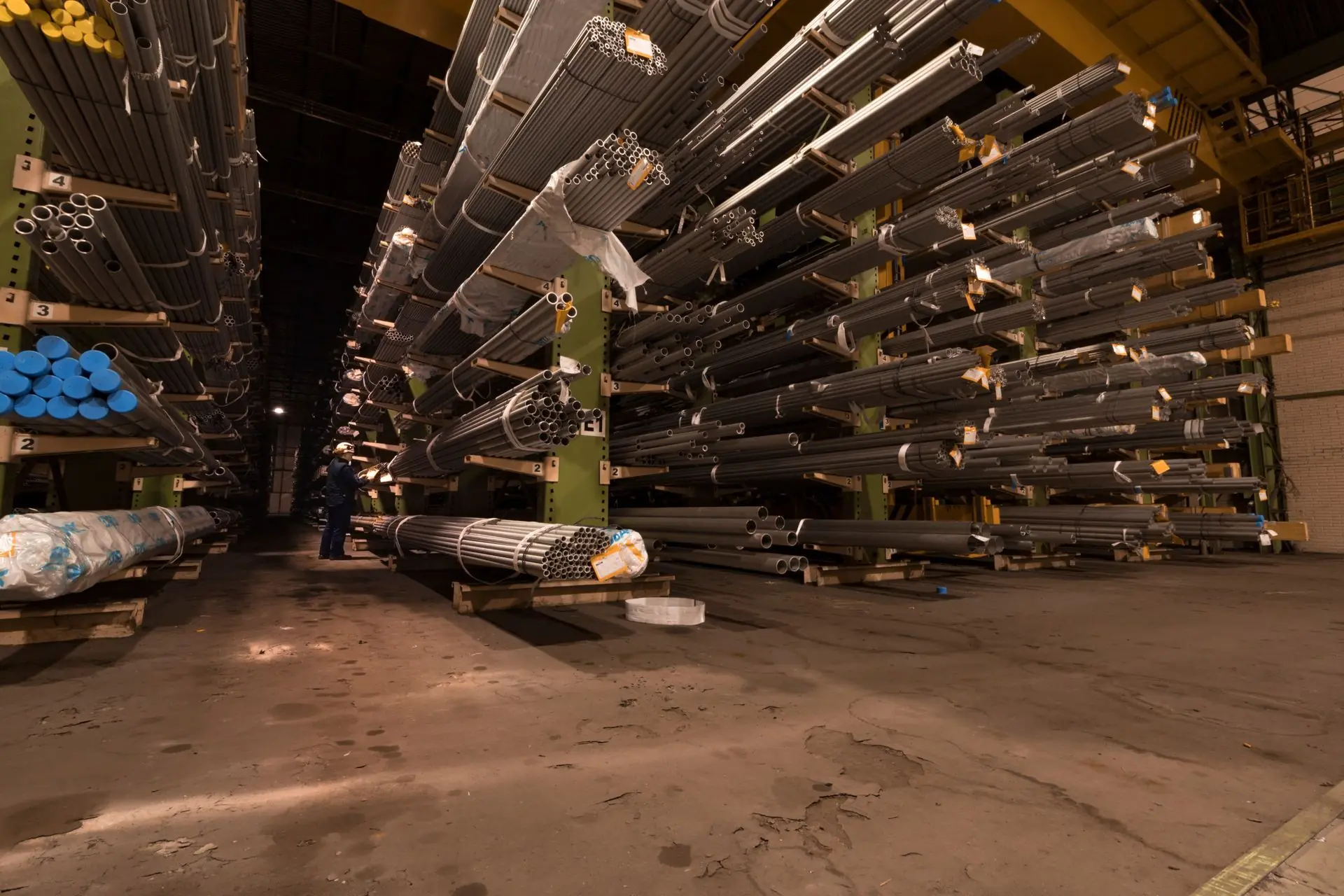
Critical single-source SKU exposure dropped 68 percent as qualified second sources came online for the highest-risk components. This came at a moment when industry data shows the opposite trend at most companies: McKinsey’s research on regionalization found that many organizations are losing urgency on resilience investment even as underlying risk stays elevated, leaving the client’s proactive stance a genuine competitive advantage.
The risk-weighted buffer model added 21 days of coverage on tier-1 critical inputs while actual working capital tied up in inventory rose by less than half of what a uniform safety-stock increase would have required, because the added buffer went precisely where risk was concentrated instead of across the board.

On-time delivery on the flagged SKUs improved from 81 percent to 96 percent over the following two quarters, even as two separate supplier-side disruptions occurred in the client’s sourcing regions during that window, both absorbed without a production impact.
Modeling one averted production stoppage and two absorbed shipment delays against the client’s historical disruption cost baseline, the resilience program is on pace to avoid $4.2 million annually in lost production, expedited freight, and contract penalty costs, a return that materially outweighed the incremental inventory and dual-sourcing investment.
This engagement reflects a broader shift underway across global supply chains. As Xeneta’s 2026 risk outlook makes clear, tariff volatility, geopolitical fragmentation, and logistics unpredictability are no longer episodic events to manage around, they are the operating environment. Companies that treat resilience as a standing discipline are the ones converting volatility into a durable cost and continuity advantage over competitors still optimizing for a stability that no longer exists.
The future of financial services is being shaped by digital innovation, evolving markets, and new forms of value. We help financial institutions, fintechs, and digital asset businesses turn change into opportunity and build for sustainable growth.
Ideas that drive better

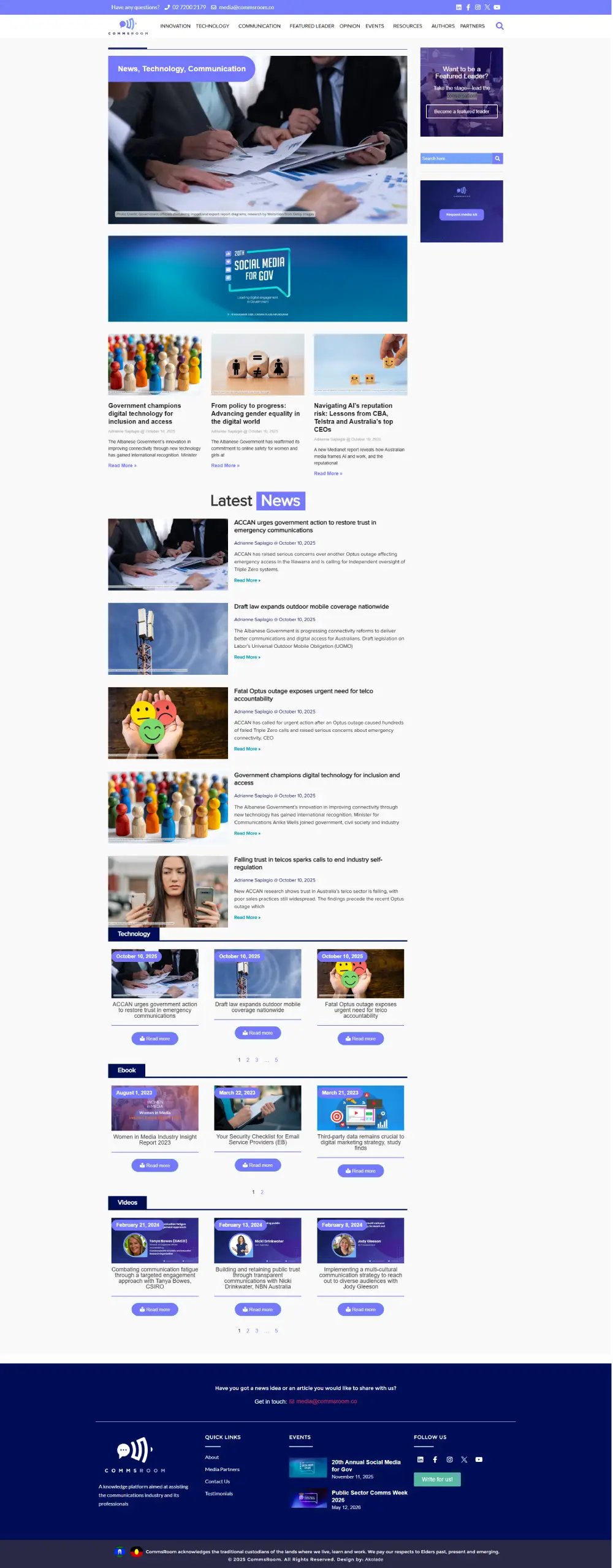
Comms Room, a leading communications newsletter website, wanted a modernized platform with a custom post type (CPT) setup to manage their daily articles and categorized content efficiently.
We developed a fully dynamic, user-friendly website that automates content organization, enhances navigation between topics, and supports high-volume publishing. The result is a sleek, modern platform that streamlines content management while elevating the reader experience — keeping Comms Room’s news delivery fast, engaging, and future-ready.