
Growth is supposed to be the reward. For many organizations it becomes the reason things start to break — new systems, new reporting lines, and new expectations arriving faster than employees can absorb them. Research bears this out: employee willingness to support organizational change has fallen to just 38%, down from 74% in 2016, according to workplace change research compiling Gartner data. This case study explores how we helped a fast-scaling organization manage three major changes at once — a new operating structure, a system migration, and a shift in how teams reported results — without losing the momentum that made the growth possible in the first place.
92% adoption of new ways of working within the first quarter, no disruption to client-facing operations, and a change process employees actually trusted.
The organization was scaling quickly — new offices, new systems, and a fast-growing headcount. But every past change initiative had followed the same pattern: announced top-down, rolled out quickly, and met with quiet resistance that slowed adoption for months.
Prosci’s research shows why that pattern is so costly: organizations with excellent change management practices meet their objectives 88% of the time, compared to just 13% for those without.

Employees weren’t resisting the goals of the changes — they were resisting the way change kept arriving without warning or explanation. Industry-wide, the trend is stark: employee willingness to support change has fallen from 74% to just 38% since 2016, according to compiled Gartner research. This organization was starting to see the same pattern in its own engagement scores.
“Employees don't resist change itself nearly as often as they resist being changed at — without being told why, how, or what happens to them along the way.”
Organizational Change Management

Before designing anything new, the team reviewed how previous changes had been communicated and adopted. The pattern was consistent with what Prosci’s research identifies as the single biggest lever: active, visible executive sponsorship correlates with a 73% success rate, versus 29% when sponsorship is passive or absent.
With a system migration, a restructured reporting model, and new performance metrics all landing within the same two quarters, there was no room to treat each change as a separate project. They needed to be sequenced, communicated, and reinforced as one coherent story.
Key improvements included:
Most importantly, employees began raising concerns earlier in the process — a sign they trusted the process enough to engage with it rather than quietly work around it.
Change management is most valuable when it becomes a standing capability rather than a one-off project.
For this organization, building that muscle meant future growth phases — new markets, new systems, new leadership structures — could be absorbed without the disruption and disengagement that had slowed previous efforts.
Rather than treating each initiative as its own project, the team built a single change framework — grounded in Prosci’s ADKAR model — that could sequence all three changes around one consistent set of individual outcomes: awareness, desire, knowledge, ability, and reinforcement.

Sponsors were assigned specific, visible actions — not just a kickoff email — including regular town halls, direct Q&A sessions, and personal accountability for adoption metrics in their own teams.
Research compiled from McKinsey’s change studies found that clearly communicated implementation timelines more than triple the likelihood of success — 50% versus 16% when timelines are vague. The team published a single shared roadmap so every department knew exactly what was changing, and when.
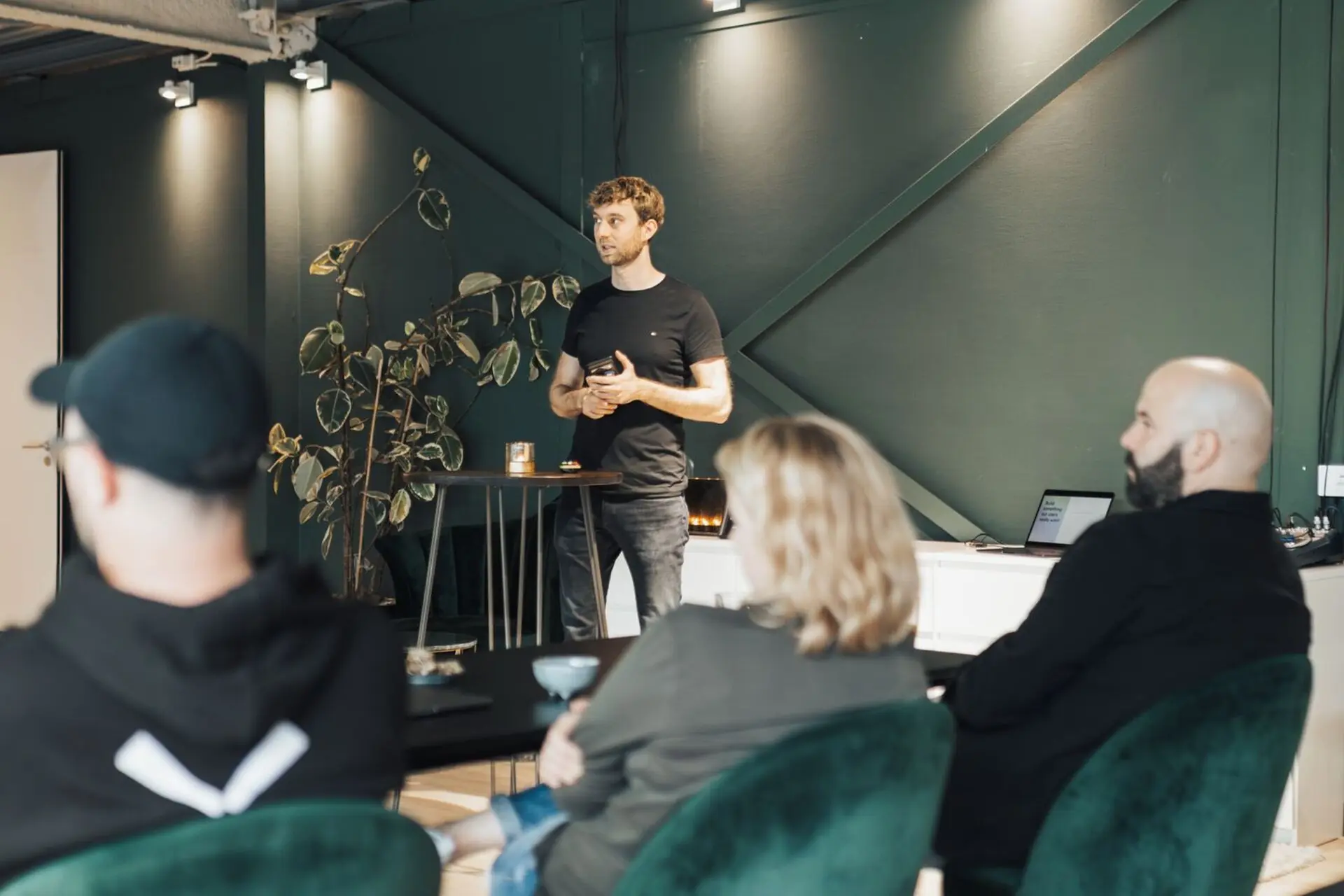
Rather than treating go-live as the finish line, the team built in structured check-ins at 30, 60, and 90 days — catching early resistance while it was still easy to address, instead of after it had hardened into habit.
“The teams that adopt change fastest aren't the ones that hear about it first. They're the ones who understand, early and often, exactly what's in it for them and what's expected of them.”
Organizational Change Management
Instead of tracking whether the new systems had been installed, the organization tracked whether people were actually using them the intended way — the metric that McKinsey’s research ties to a 51% success rate for organizations that monitor adoption KPIs, versus 13% for those that don’t.
The transformation changed how the organization experienced growth — not by slowing change down, but by making it something employees could prepare for instead of absorb by surprise.

New systems and processes reached full adoption noticeably faster than previous rollouts, with far fewer support tickets and workarounds in the first 90 days.

Perhaps the most valuable outcome was intangible: employees reported greater confidence that future changes would be communicated clearly and supported properly, reducing the instinctive resistance that had slowed past initiatives.
The framework built during this engagement became the organization’s standard approach to change, ready to be applied to the next phase of growth without starting from scratch.
The engagement demonstrated that change management is most powerful as infrastructure, not a reaction to disruption. As Prosci’s research emphasizes for 2026, organizations that fund change capability the way they fund any other core system — rather than as a variable project cost — are the ones best positioned to keep growing without breaking what already works.
The future of financial services is being shaped by digital innovation, evolving markets, and new forms of value. We help financial institutions, fintechs, and digital asset businesses turn change into opportunity and build for sustainable growth.
Ideas that drive better
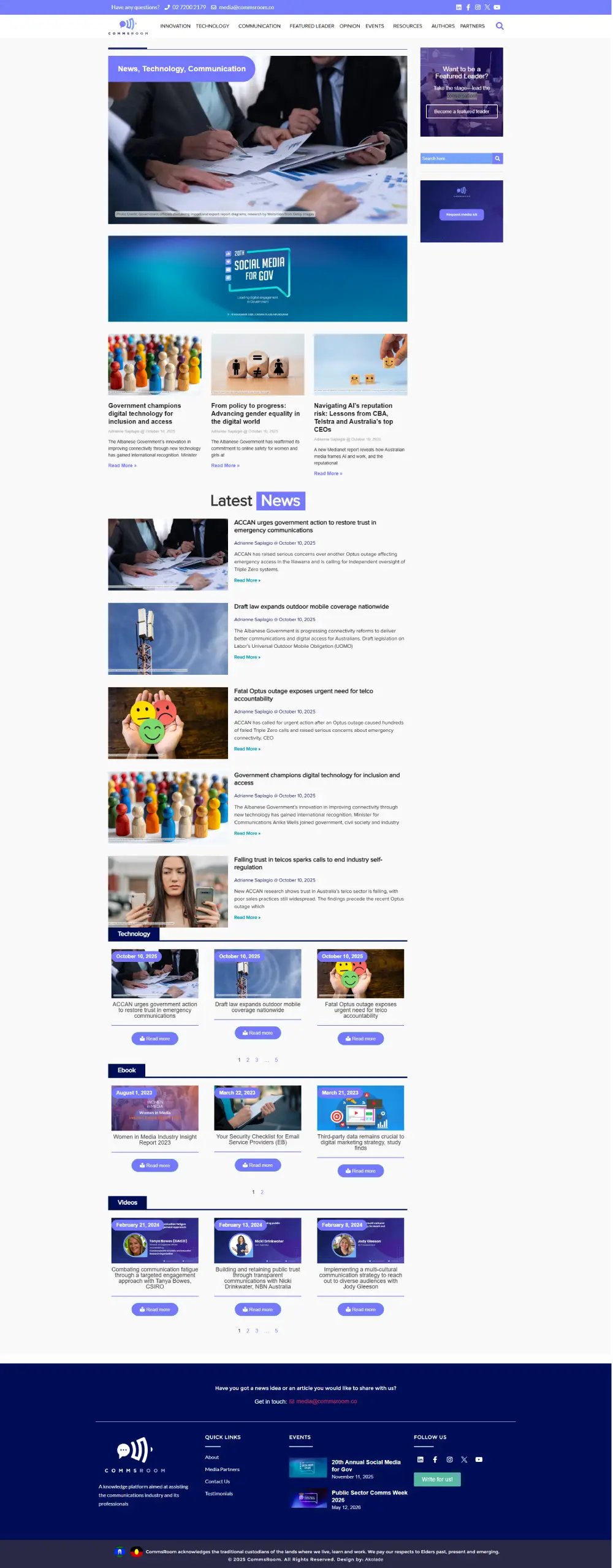
Comms Room, a leading communications newsletter website, wanted a modernized platform with a custom post type (CPT) setup to manage their daily articles and categorized content efficiently.
We developed a fully dynamic, user-friendly website that automates content organization, enhances navigation between topics, and supports high-volume publishing. The result is a sleek, modern platform that streamlines content management while elevating the reader experience — keeping Comms Room’s news delivery fast, engaging, and future-ready.