By Sarah Lin & Aris Thorne
Published in Edge Computing Quarterly
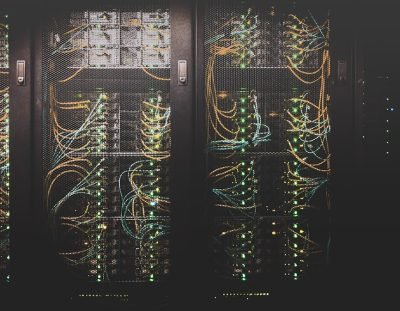
The centralized cloud model is facing physical limitations. As AI applications require lower latency and tighter privacy controls, processing power is migrating from massive data centers directly to edge devices—smartphones, IoT sensors, and autonomous vehicles.

The Shift from Cloud to Edge
By Sarah Lin
Edge AI involves deploying machine learning algorithms locally on hardware devices rather than sending data back and forth to a central server. This approach radically changes how we interact with technology.
- Zero-Latency Processing: Critical for autonomous driving and robotics where milliseconds matter.
- Enhanced Data Privacy: Sensitive information (like biometrics) never leaves the device.
- Bandwidth Conservation: Reduces the massive network load generated by continuous telemetry streaming.

Hardware Innovations Driving the Edge
By Aris Thorne
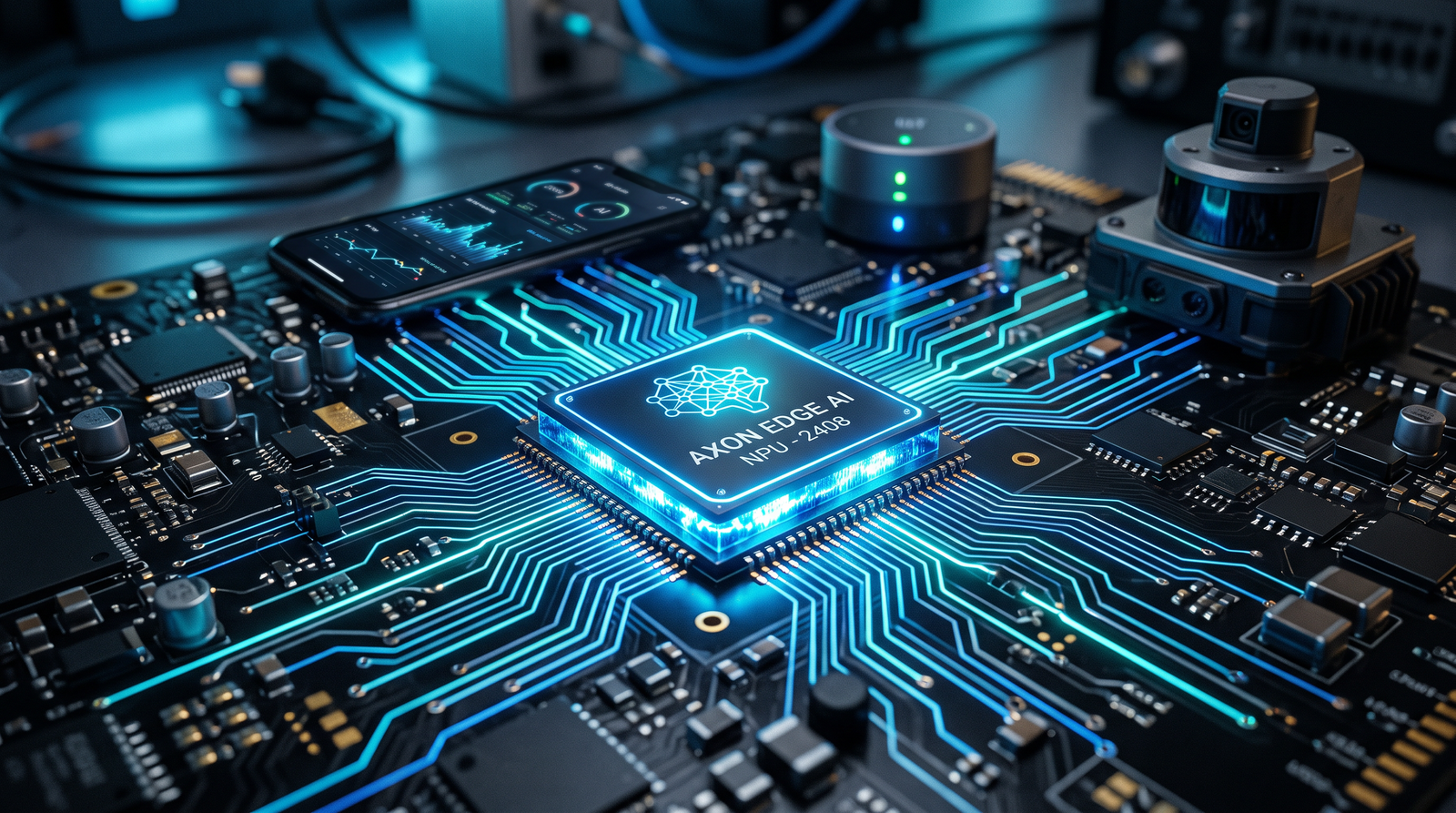
This decentralized revolution is powered by specialized silicon. Hardware manufacturers are embedding Neural Processing Units (NPUs) into everyday chips, allowing low-power devices to run complex models.
| Hardware Component | Core Function | Edge AI Application |
|---|---|---|
| NPU (Neural Processing Unit) | Accelerates matrix math for ML models | On-device real-time translation |
| Microcontrollers (MCUs) | Ultra-low power logic execution | Smart home sensor anomaly detection |
| FPGA Accelerators | Reprogrammable hardware logic | Custom industrial robotics inference |
Technical Deep Dive: TinyML and Edge Deployment
By Sarah Lin
The Future of Distributed Intelligence
By Aris Thorne
As TinyML (Tiny Machine Learning) frameworks mature, we will see ambient intelligence integrated into nearly every manufactured object. The edge will not replace the cloud, but rather collaborate with it in a seamless, hybrid compute ecosystem.